Overview of 12-Week CrossFit PDF Programs
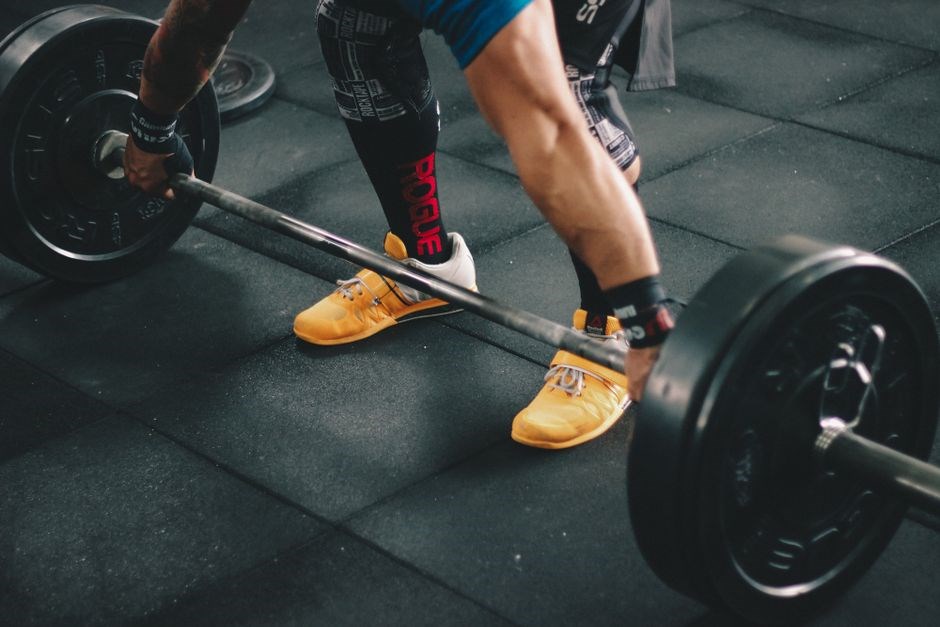
These PDFs outline a 12‑week CrossFit plan that blends strength, endurance, and muscle‑building workouts. Each week alternates bodyweight, dumbbell, kettlebell, and barbell moves, with dynamic effort and maximum effort sessions. Nutrition guides and progress tracking are included. Stay.
Pain-Free Fitness Focus
Designed for athletes who want to build power without the common aches that come with high‑intensity training, this 12‑week CrossFit PDF program emphasizes joint‑friendly movement patterns, mobility work, and progressive overload that respects recovery limits. The curriculum blends low‑impact warm‑ups, dynamic stretching, and controlled strength blocks that keep stress on muscles, not ligaments.
Throughout the 12‑week cycle, the program alternates between high‑volume conditioning and low‑volume strength days, ensuring that the nervous system is never overstimulated. The focus remains on technique, with each session starting with a 5‑minute mobility warm‑up and a 10‑minute dynamic stretch routine that primes the hips, ankles, and thoracic spine. This systematic approach reduces the likelihood of compensatory patterns that can lead to chronic pain.
The program’s design prioritizes joint integrity by incorporating low‑impact variations of classic CrossFit movements. For example, instead of a heavy back squat, the routine may suggest a goblet squat with a kettlebell, which places less shear force on the lumbar spine while still recruiting the glutes and quads. By constantly monitoring load and form, the plan ensures that each exercise is performed within a pain‑free zone, allowing athletes to train harder over time without risking chronic injury. Additionally, the curriculum emphasizes core stability drills that protect the spine during high‑intensity lifts. These drills include planks, dead‑bugs, and bird‑dogs, all performed with strict control to avoid compensatory movements. The result is a balanced program that builds strength, improves conditioning, and preserves joint health, making it suitable for beginners and seasoned athletes alike. The routine also incorporates mobility drills such as hip circles and thoracic rotations to enhance motion.!!
By integrating these principles, the program offers a path now daily to fitness that respects limits while delivering progress.

Progressive Strength Training
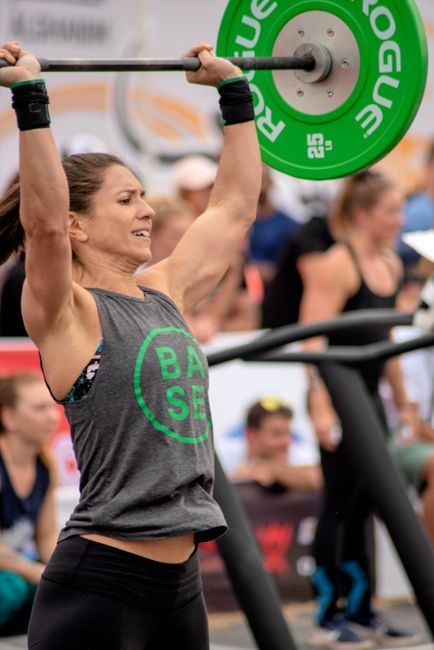
The 12‑week CrossFit PDF program focuses on progressive strength training, scaling load, volume, and intensity over time. Each week includes a dynamic effort day, a maximum effort day, and a skill‑refinement day. Dynamic sessions use 40‑60 % of 1RM for speed work, while maximum effort sessions push 80‑90 % of 1RM for low‑rep sets.
Progressive overload follows a linear model: every two weeks the target load rises 2‑5 % on compound lifts like back squat, deadlift, and overhead press. Accessory work—pull‑ups, dips, kettlebell swings—targets muscular balance and supports primary lifts, performed at 8‑12 reps for endurance.
Mobility is mandatory before each session, focusing on hips, ankles, and thoracic spine to reduce joint shear during heavy lifts. Athletes track perceived exertion on a 10‑point scale, adjusting loads in real time to avoid overtraining.
Nutrition guidance is embedded, recommending 1.6‑2.2 g/kg protein and carbohydrate timing around workouts to fuel sessions and aid recovery. The PDF includes a sample meal plan and supplement suggestions for the 12‑week cycle.
Weekly logs record progress, enabling data‑driven adjustments and fostering accountability. This tracking reinforces consistency and accelerates strength gains. Keep pushing! Stay!!!
By the end of the 12‑week cycle, participants will have increased their 1RM in key lifts by 10‑15 %, improved muscular density, and built a sustainable strength base. The structure supports long‑term performance, ideal for CrossFitters and enthusiasts. Athletes also gain confidence in their technique, translating to better competition results.
Accessory Bodybuilding Exercises
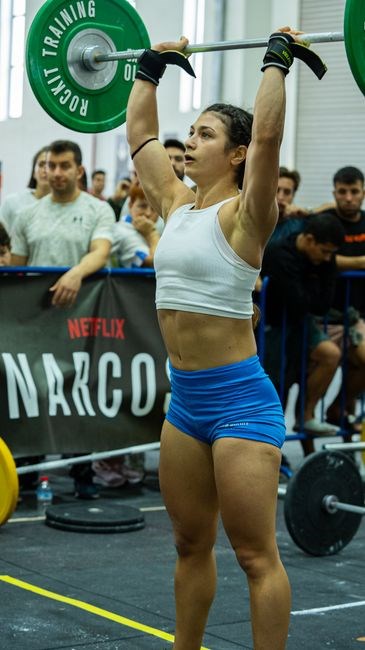
Accessory bodybuilding exercises form the backbone of the 12‑week CrossFit PDF program, supporting the heavy compound lifts. Each week’s accessory block is carefully sequenced to avoid over‑training while maximizing muscle recruitment.
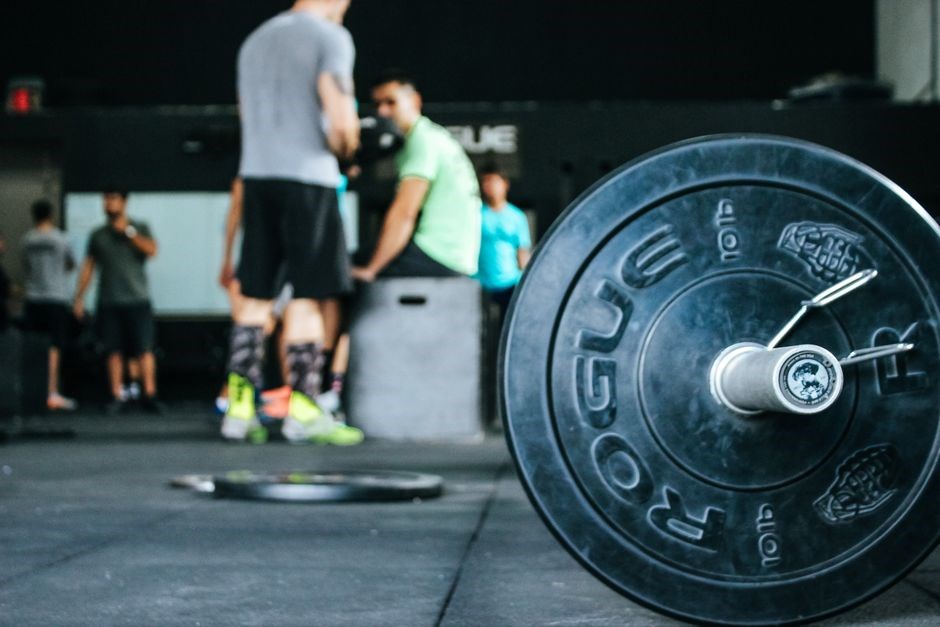
Week 1–4 (Hypertrophy Base): 3–4 sets of 12–15 reps at 60–70 % of 1RM, focusing on volume. Exercises include barbell rows, dumbbell chest flyes, Bulgarian split squats. Rest intervals 60–90 seconds.
Week 5–8 (Strength‑Hypertrophy Blend): 4–5 sets of 8–10 reps at 70–80 % of 1RM. The program introduces weighted pull‑ups, cable lateral raises. This phase bridges volume and intensity. Strength gains are emphasized.
Week 9–12 (Peak Strength & Definition): 5–6 sets of 5–7 reps at 80–90 % of 1RM. Exercises include weighted dips, single‑leg Romanian deadlifts, and hammer curls. Rest periods extend to 90‑120 seconds and 90‑120 seconds of rest.
Progressive overload is tracked via a digital log, recording weight, reps, and perceived effort. Adjustments are made weekly based on fatigue scores and performance trends. This data‑driven approach ensures continuous adaptation without compromising form.
Nutrition support is embedded: a protein intake of 1.8 g/kg body weight, carbohydrate cycling around training days, and a 500‑kcal surplus on accessory days, ensuring a 7‑hour sleep window. Post‑workout recovery includes 20‑minute foam‑rolling sessions and a 7‑hour sleep window.
By integrating these accessory movements, athletes develop balanced musculature, reduce injury risk, and enhance overall CrossFit performance. The program’s modular design allows scaling for beginners or advanced lifters, ensuring everyone can benefit from structured, progressive bodybuilding work.

Nutrition Guidance
The 12‑week CrossFit PDF program integrates a structured nutrition plan designed to support progressive strength gains, lean muscle growth, and fat loss. The guidance recommends a protein intake of 1.8 g per kilogram of body weight, ensuring adequate substrate for muscle repair. Carbohydrate cycling is employed: higher carb days (≈4 g/kg) precede heavy training sessions, while lower carb days (≈2 g/kg) follow lighter workouts or rest days. Fats are kept moderate at 20–25 % of total daily calories, focusing on unsaturated sources such as olive oil, nuts, and fatty fish. A 500‑kcal surplus is suggested on accessory bodybuilding days to fuel volume work, while a slight deficit is maintained on conditioning‑heavy days to promote fat loss.
Meal timing is emphasized: a balanced pre‑workout meal (protein + complex carbs) 60–90 minutes before training, and a post‑workout window of 30–45 minutes featuring protein and simple carbs to maximize glycogen replenishment. Hydration guidelines recommend 3–4 liters of water daily, with electrolytes added during prolonged sessions. Supplements such as whey protein, creatine monohydrate (5 g/day), and a multivitamin are optional but encouraged for consistency. Additionally, the plan encourages mindful snacking, such as a protein shake with fruit, to keep energy steady during high‑intensity sessions. The program also provides a weekly meal plan template, ensuring macros and control without calorie counting!
Tracking is facilitated through a downloadable spreadsheet included in the PDF. Users log calories, macros, and training load each day, allowing weekly adjustments based on body composition changes and performance metrics. The program’s flexible structure permits cancellation at any time, and a free 3‑day trial is available to test the nutrition plan before committing. This comprehensive approach ensures athletes receive clear, actionable guidance to complement their training.
Kettlebell-Based Strength Module
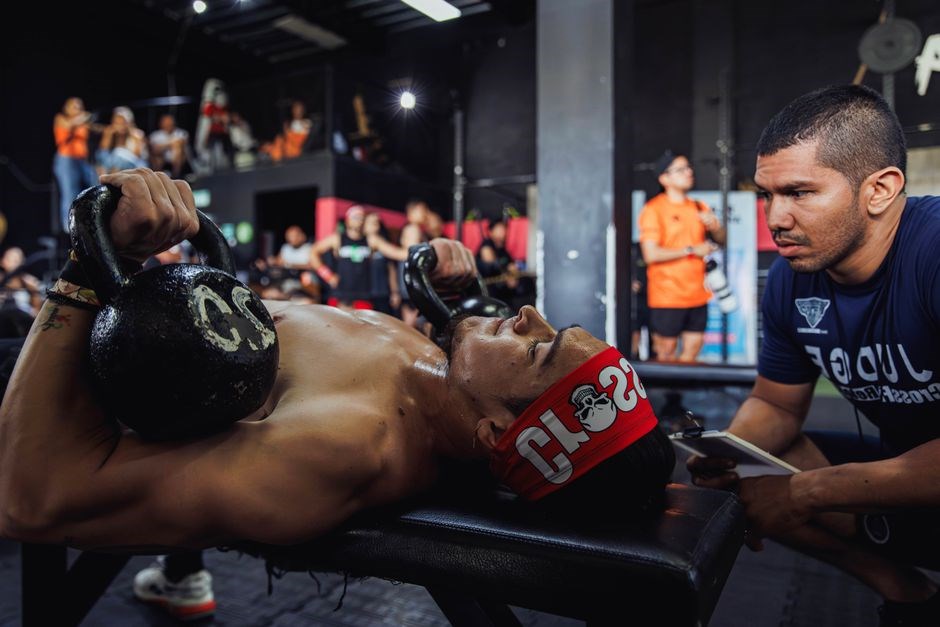
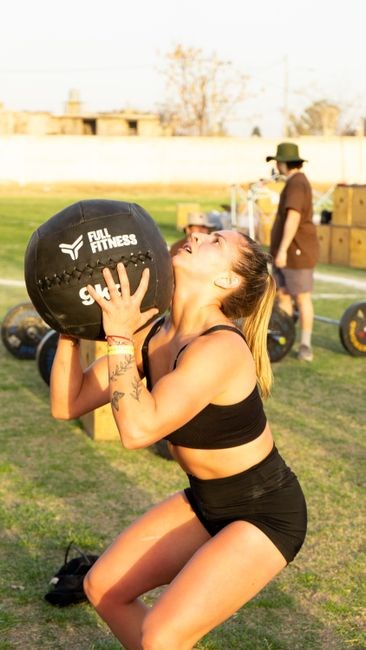
The 12‑week CrossFit PDF program dedicates a full module to kettlebell training, integrating it as a core component of strength development, conditioning, and mobility. Each week alternates between high‑volume kettlebell circuits and low‑volume, heavy‑weight sessions, ensuring a balanced stimulus for both muscular hypertrophy and metabolic conditioning.
Training frequency is set at three kettlebell‑centric sessions per week, each lasting 45‑60 minutes. Warm‑up protocols include dynamic mobility drills, kettlebell halo sets, and light swing chains to prime the posterior chain. The main work blocks are split into dynamic effort and maximum effort portions, with rest intervals varying from 30‑60 seconds for volume work to 2‑3 minutes for heavy lifts.
- Key lifts: kettlebell swing, clean, snatch, Turkish get‑up, goblet squat, and overhead press.
- Accessory movements: farmer’s carry, windmill, and kettlebell windmill to reinforce core stability.
- Progression: incremental weight increases of 5–10 % each week, with a deload week at the end of week 8 to prevent overtraining.
- Mobility focus: daily 10‑minute mobility routine targeting hips, thoracic spine, and shoulders.
Nutrition and recovery guidelines accompany the module, recommending a protein intake of 1.8 g per kilogram of body weight and a carbohydrate schedule that peaks on kettlebell days. Adequate hydration and sleep (7–9 hours per night) are emphasized to support the high neuromuscular demand. The PDF also includes a downloadable kettlebell workout log, allowing athletes to track load, reps, and perceived exertion for continuous improvement

Endurance and Conditioning Sessions
This PDF offers a 12‑week endurance plan with 3 weekly sessions, blending dynamic effort (DE) and maximum effort (ME) lifts. Each workout targets aerobic base, metabolic conditioning, and skill refinement, ensuring progressive stamina gains while maintaining strength. Interval training boosts VO2 max.!
Dynamic Effort vs Maximum Effort
In the 12‑week CrossFit PDF, the “Dynamic Effort” (DE) phase focuses on speed and power, using sub‑maximal loads (typically 50‑70 % of 1RM) performed in rapid, explosive sets. Each DE session includes 3–5 sets of 3–5 reps, with 2–3 minutes of rest, to train neural recruitment and rate‑of‑force development. The goal is to build a fast‑twitch foundation that translates to higher bar velocity in the “Maximum Effort” weeks.
The “Maximum Effort” (ME) portion shifts to heavier, slower lifts (70‑90 % of 1RM) for 1–3 reps per set, with longer rest intervals (3–5 minutes) to build absolute strength, joint stability, and technique under load. By alternating DE and ME weeks, the program prevents over‑reaching, promotes hypertrophy, and improves overall performance.
Both phases are paired with skill work and conditioning to keep the athlete’s movement patterns fresh. The PDF schedules DE on Mondays, ME on Wednesdays, and a mixed conditioning day on Fridays, ensuring balanced stimulus and adequate recovery. This structure aligns with CrossFit’s emphasis on functional strength and metabolic conditioning.
Throughout the 12‑week cycle, the DE and ME phases are interwoven with skill drills such as double‑under, handstand push‑ups, and snatch technique, ensuring that speed gains are translated into Olympic lifts. The conditioning blocks feature high‑intensity interval training (HIIT) and metabolic circuits that elevate heart rate while preserving joint health. Coaches monitor load progression and recovery metrics, adjusting volume to keep athletes on a steady trajectory toward peak performance.
Participants receive weekly progressreports and personalized adjustments to maximize gains.
Bodyweight and Dumbbell Variation
In the 12‑week CrossFit PDF, each week is designed to keep the body constantly adapting by rotating through a mix of bodyweight and dumbbell movements. The program alternates between high‑volume bodyweight circuits and low‑volume, high‑intensity dumbbell lifts to target both muscular endurance and strength. This dual‑focus approach helps prevent plateaus and keeps motivation high.
Bodyweight sessions include exercises such as pull‑ups, push‑ups, air squats, and burpees, often performed in AMRAP (as many rounds as possible) or EMOM (every minute on the minute) formats. These movements build core stability, joint mobility, and aerobic capacity. Dumbbell blocks, on the other hand, feature compound lifts like goblet squats, Romanian deadlifts, overhead presses, and bent‑over rows, typically done at 60‑80 % of the athlete’s 1‑RM for 3–5 sets of 3–6 reps.
- Week 1–4: Focus on bodyweight skill work with a light dumbbell accessory routine.
- Week 5–8: Increase dumbbell load while maintaining bodyweight conditioning.
- Week 9–12: Combine both modalities in a hybrid circuit to maximize calorie burn and muscle hypertrophy.
Progression is tracked through weekly benchmarks, and the PDF includes printable charts for reps, sets, and weight increments. By the end of the cycle, athletes should notice improved muscular definition, increased functional strength, and a stronger foundation for more advanced CrossFit movements.
They use a log to track intensity, ensuring progression. The program includes a recovery protocol with drills foam rolling, rest days to maintain joint health and promote performance throughout the 12‑week cycle.
Weekly Structure Breakdown
The 12‑week CrossFit PDF outlines a clear weekly framework balancing skill, strength, and conditioning. Each week follows a three‑day cycle: Day 1 DE lifts, Day 2 ME lifts, Day 3 MetCon. The structure allows progressive overload while integrating recovery and skill work. Daily logs daily.
Week 1–4 (Base Building): Establish a solid aerobic base and refine fundamentals. Day 1 DE uses lighter loads (50–60 % 1‑RM) for high‑rep sets. Day 2 ME lifts heavier loads (80–90 % 1‑RM) with lower reps. Day 3 MetCon mixes bodyweight and kettlebell work for endurance. Skill drills like double‑unders and handstand holds are added. Progress is tracked with an RPE scale.
Week 5–8 (Intensity Accumulation): Increase load, reduce volume. DE lifts shift to 60–70 % 1‑RM; ME lifts push to 90–95 % 1‑RM. MetCon sessions become more intense with longer intervals. The PDF logs RPE, sets, and reps to keep athletes within intensity zones. Athletes can swap equipment to match availability.
Week 9–12 (Peak Phase): Final block peaks strength and conditioning. DE lifts use 70–80 % 1‑RM; ME lifts reach 95–100 % 1‑RM; MetCon sessions are high‑intensity, short‑duration bouts. The program culminates with a benchmark measuring strength, speed, and endurance. Recovery protocols emphasize mobility and light cardio. A brief warm‑up reduces injury risk.
Each week ends with a Recovery Day featuring mobility drills, foam rolling, and light cardio. The PDF offers a Weekly Summary template for athletes to log fatigue, sleep, and nutrition, giving a holistic view of progress. Check‑ins prompt nutrition adjustments.
Base Building and Skill Refinement
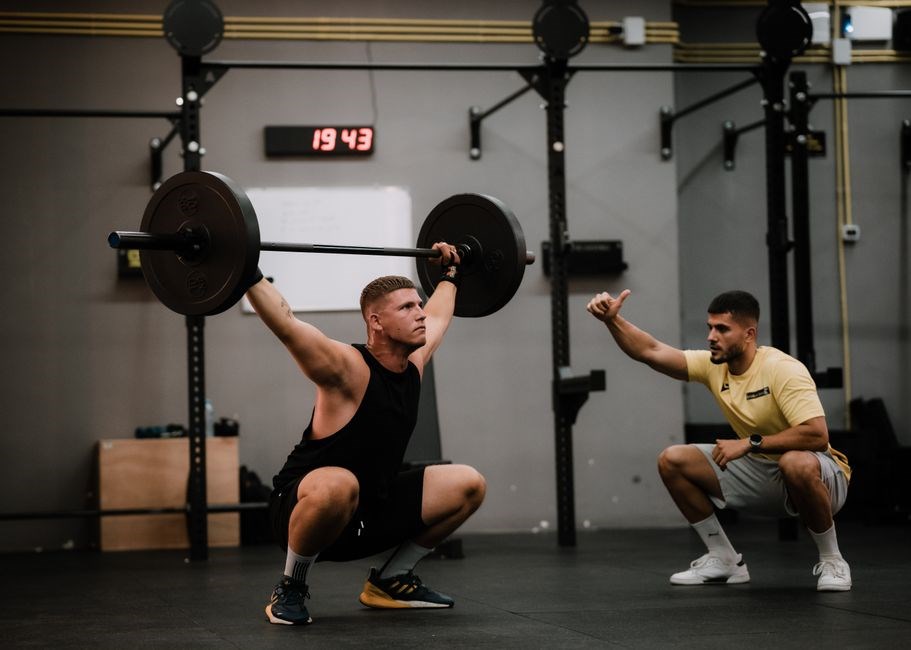
Weeks 1–4 of the 12‑week CrossFit PDF serve as the foundational phase, where the primary goal is to build a robust aerobic base while honing core skills. Each training day is split into three distinct segments: Day 1 focuses on Dynamic Effort (DE) lifts performed at 50–60 % of a one‑rep‑max (1‑RM) with higher repetitions to develop speed and muscular endurance. Day 2 is dedicated to Maximum Effort (ME) lifts, pushing athletes to 80–90 % of 1‑RM for lower reps to build raw strength. Day 3 combines these strength elements with a MetCon that integrates bodyweight and kettlebell movements for cardiovascular conditioning. Throughout this block, skill work is woven into each session—double‑unders, handstand holds, and double‑under progressions are practiced to improve coordination and explosiveness; Progress is meticulously tracked using an RPE (Rate of Perceived Exertion) scale, allowing athletes to stay within prescribed intensity zones. Recovery is emphasized with a dedicated Recovery Day featuring mobility drills, foam rolling, and light cardio to promote tissue repair and prevent overuse injuries. The PDF also provides a Weekly Summary template where athletes log fatigue, sleep, nutrition, and subjective readiness, offering a holistic view of their adaptation and guiding future adjustments. By week 4, participants should feel confident, possess a stronger aerobic base, and be ready to progress into next phase. By the conclusion of this block, the foundation is solidified, setting the stage for the forthcoming intensity and power phases of the 12‑week cycle. Additionally, mobility work includes dynamic hip flexor stretches, thoracic rotations, and ankle dorsiflexion drills to enhance range of motion for future Olympic lifts.
Sample Program Download
To access the full 12‑week CrossFit PDF, simply click the “Download” button below. The file is a professionally formatted PDF that contains every workout, nutrition plan, and recovery protocol. Once you click, the download will begin automatically, and you can open the file in any PDF viewer. The program is organized into four distinct blocks, each lasting three weeks. The first block focuses on base building and skill refinement, the second on progressive strength, the third on kettlebell‑centric conditioning and the final block on peak performance and testing. Each week contains three main sessions: Dynamic Effort, Maximum Effort, and a MetCon or skill‑based day. The PDF also includes a daily log sheet where you can record RPE, weights, and subjective fatigue. This helps track progress and adjust intensity as needed. Additionally the document contains a detailed nutrition guide with macro targets, sample meal plans, and grocery lists. The guide supports muscle growth, fat loss, and customizable vegetarian or vegan options. Workouts are your fitness level, recovery balance. The download is free for the three days, after which you can subscribe or cancel today. The subscription includes updates, new workouts, and community support via a private Discord channel. If you encounter issues during download, contact support through the website’s chat, and they will provide a direct link or send the file via email. Progress will be tracked with metrics, see improvements week by week.
Cancellation and Trial Policy
When you sign up for the 12‑week CrossFit PDF program, you are granted a 3‑day free trial to explore the full curriculum. During this trial, you can access every workout, nutrition guide, and recovery protocol without charge. If you decide the program is not a fit, you may cancel at any time before the trial expires. Cancellation is processed instantly through the account dashboard, and you will retain full access to the PDF file you downloaded, ensuring you can review the material offline. No hidden fees or recurring charges will be applied if you cancel before the first billing cycle. After the trial, if you choose to continue, a subscription fee will be applied automatically on the date of the trial’s conclusion. You can opt to cancel at any point thereafter, and the system will cease billing immediately. All cancellations are honored with no penalties, and you will receive a confirmation email within 24/7 hours. The program’s policy is designed to give you complete freedom to evaluate the training plan risk‑free, while protecting your financial interests. If you encounter any issues with cancellation, our support team is available 24/7 via live chat or email, and will resolve the matter promptly. The policy also guarantees that your personal data is handled in accordance with privacy regulations, and will be deleted upon request if you do not wish to continue. This transparent approach ensures you can focus on training without administrative concerns.
Participants also receive weekly live coaching calls, personalized feedback, and a private community forum to share progress, troubleshoot challenges, and celebrate milestones together. and weekly check‑ins.!!