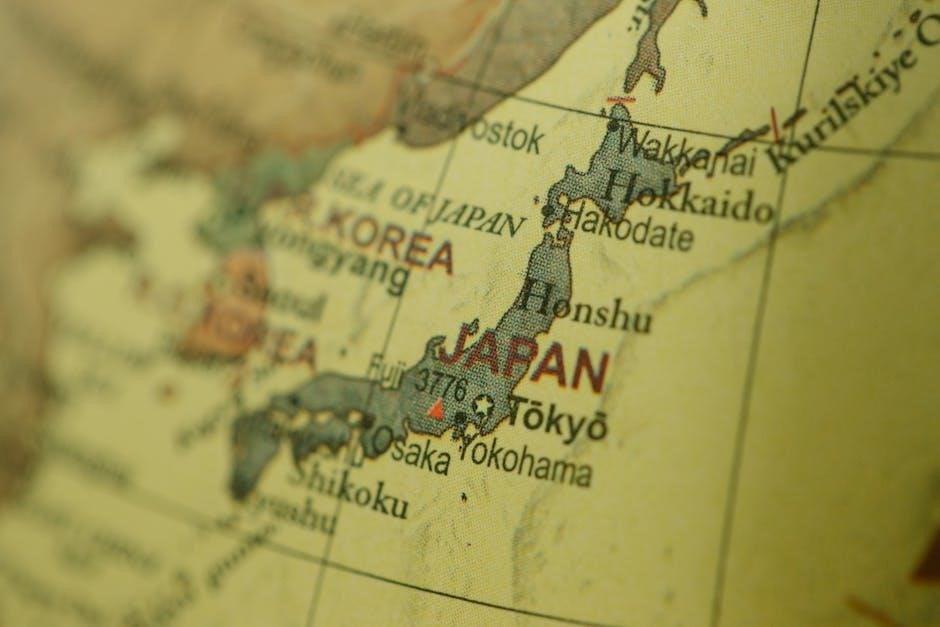
Unit 7: Global Warfare ― Study Guide
This comprehensive guide explores pivotal conflicts, examining historical contexts, technological shifts, and political ramifications—from Napoleonic struggles to Cold War tensions.
I. Historical Context of Global Warfare
Understanding global warfare necessitates examining pre-20th century conflicts like the Napoleonic Wars, characterized by large-scale land battles and shifting European alliances, and the era of Colonial Expansion & Warfare, fueled by resource acquisition and imperial ambitions. These conflicts, while regional, laid the groundwork for future global struggles.
The 19th and early 20th centuries witnessed the potent rise of Nationalism & Imperialism, creating intense rivalries between European powers. This competitive environment, coupled with a burgeoning arms race, directly contributed to the Causes of World War I. The complex web of Alliances & Militarism transformed localized disputes into a continent-wide, and ultimately global, conflict, setting the stage for the 20th century’s devastating wars.
A. Pre-20th Century Conflicts
Before the 20th century, warfare was largely defined by dynastic struggles and imperial expansion. The Napoleonic Wars (1803-1815) reshaped Europe, demonstrating the power of mass conscription and centralized military control, influencing future military doctrines. Simultaneously, Colonial Expansion & Warfare dominated global interactions.
European powers engaged in relentless competition for colonies in Africa, Asia, and the Americas, leading to frequent conflicts with indigenous populations and amongst themselves. These colonial wars, often fought with superior technology, established patterns of dominance and exploitation. While not “global” in the modern sense, these conflicts established interconnected trade routes and simmering tensions that would contribute to later, larger-scale conflicts, shaping the geopolitical landscape.
Napoleonic Wars
The Napoleonic Wars (1803-1815) stemmed from the French Revolution’s ideals and Napoleon Bonaparte’s ambition. Initially defensive, France quickly adopted an offensive posture, conquering much of continental Europe. Key features included innovative military tactics – utilizing corps for flexibility – and mass conscription, creating a large, national army.
Naval dominance was crucial, with Britain employing a blockade to cripple French trade. Battles like Trafalgar (1805) secured British sea control. The disastrous invasion of Russia in 1812 marked a turning point, weakening Napoleon’s forces. Ultimately, the coalition of European powers defeated Napoleon at Waterloo (1815), restoring the balance of power and influencing 19th-century political thought and military strategy.
Colonial Expansion & Warfare
Colonial Expansion, driven by economic motives and national prestige, fueled frequent Warfare from the 16th to the 20th centuries. European powers competed for resources and territories in Africa, Asia, and the Americas. This involved both direct military conquest and indirect control through trade and political influence.
Conflicts often pitted colonial powers against each other – like the Seven Years’ War – and against indigenous populations resisting foreign domination. Technological superiority, particularly in weaponry, gave Europeans a significant advantage. Colonial warfare frequently involved brutal tactics and exploitation of local resources and people. The legacy of colonialism continues to shape global political and economic landscapes, contributing to ongoing conflicts and inequalities.
B. Rise of Nationalism & Imperialism
Nationalism, a fervent sense of national identity and unity, surged in the 19th and early 20th centuries, often leading to competitive rivalries. Simultaneously, Imperialism – the policy of extending a nation’s power and influence – intensified as European powers sought colonies for resources and strategic advantage.
This potent combination created a volatile atmosphere. Nationalist aspirations within empires, like those in the Balkans, threatened existing power structures. Imperial competition fostered mistrust and animosity between nations, driving an arms race and the formation of complex alliances. Both forces contributed to a climate where war became increasingly likely, ultimately setting the stage for the global conflicts of the 20th century.
Causes of World War I
The outbreak of World War I stemmed from a complex interplay of long-term tensions and short-term triggers. Militarism fueled an arms race, creating an environment of suspicion. A web of Alliances – like the Triple Alliance and Triple Entente – meant a localized conflict could escalate rapidly. Intense Nationalism fostered rivalries, particularly in the Balkans.
The assassination of Archduke Franz Ferdinand in Sarajevo acted as the immediate catalyst, activating these pre-existing tensions. Austria-Hungary’s declaration of war on Serbia triggered a chain reaction as alliances obligated nations to defend one another. Underlying imperial competition and economic rivalries further exacerbated the situation, plunging Europe into a devastating war.
Alliances & Militarism
Alliances before WWI created a system of mutual defense, intended to maintain peace but ultimately escalating conflict. The Triple Alliance (Germany, Austria-Hungary, Italy) and the Triple Entente (France, Russia, Great Britain) obligated nations to support each other, turning a regional dispute into a global war. These pacts fostered a climate of distrust and rigidity.
Simultaneously, Militarism – the glorification of military power and preparedness – drove an unprecedented arms race. Nations competed to build larger armies and more advanced weaponry, believing strength guaranteed security. This created a self-fulfilling prophecy of fear and aggression, making war seem increasingly inevitable and desirable to some policymakers.
II. World War I (1914-1918)
World War I, a global conflict centered in Europe, reshaped the 20th century. Triggered by the assassination of Archduke Franz Ferdinand, the war pitted the Central Powers against the Allied Powers. It was characterized by brutal trench warfare, resulting in immense casualties and a stalemate on the Western Front. The Eastern Front saw more fluid battles, but equally devastating losses.
New technological advancements dramatically altered warfare. Machine guns and chemical warfare led to horrific conditions, while tanks and airplanes began to emerge as significant, though still developing, weapons. The war concluded with the Treaty of Versailles, imposing harsh terms on Germany and sowing the seeds for future conflict.
A. Key Battles & Fronts
World War I unfolded across multiple fronts, each defined by unique challenges and brutal engagements. The Western Front, stretching from Belgium to France, became synonymous with trench warfare – a static, horrific struggle marked by battles like the Somme and Verdun, resulting in millions of casualties with minimal territorial gain.
Conversely, the Eastern Front witnessed greater mobility, with battles between Germany/Austria-Hungary and Russia. Key engagements included Tannenberg and the Masurian Lakes. The Italian Front, fought in the Alps, presented unique logistical and topographical difficulties. Beyond Europe, fighting occurred in the Middle East and Africa, impacting colonial territories and strategic resources. These diverse fronts collectively defined the scope and scale of the global conflict.
Western Front (Trench Warfare)
Trench warfare on the Western Front epitomized the brutal stalemate of World War I. Opposing armies constructed elaborate systems of trenches, separated by “No Man’s Land” – a desolate, heavily defended zone. Life in the trenches was characterized by constant danger: artillery bombardment, machine-gun fire, and the ever-present threat of disease.
Offensives, like the Somme and Verdun, aimed to break the deadlock but resulted in horrific casualties for minimal gains. Soldiers endured appalling conditions – mud, rats, and the psychological trauma of relentless warfare. New technologies, such as machine guns and poison gas, exacerbated the horrors. The static nature of trench warfare led to a war of attrition, testing the endurance of both sides and reshaping the landscape of Europe.
Eastern Front
The Eastern Front of World War I presented a vastly different character than the Western Front, characterized by greater fluidity and immense territorial expanse. Initial German successes against Russia at Tannenberg and the Masurian Lakes inflicted heavy casualties and destabilized the Tsarist regime. Unlike the static trench lines of the West, the Eastern Front saw large-scale maneuvers and fluctuating front lines.
Austria-Hungary, a key Central Power, struggled against Russia and Italy, facing internal ethnic tensions that hampered its war effort. Russia’s internal weaknesses, including economic hardship and political unrest, ultimately led to its withdrawal from the war in 1917 following the Bolshevik Revolution, significantly altering the conflict’s dynamics.
B. Technological Advancements
World War I witnessed a dramatic acceleration in military technology, fundamentally changing the nature of warfare. Machine guns dominated the battlefield, contributing to the stalemate of trench warfare and causing unprecedented casualties. Chemical warfare, including poison gas, introduced a horrifying new dimension to combat, violating existing norms and causing lasting psychological trauma.
The introduction of tanks, though initially unreliable, offered a potential solution to breaking the trench deadlock, while airplanes evolved from reconnaissance tools to fighters and bombers, adding a new aerial dimension to the conflict. These advancements, coupled with improved artillery and communication systems, transformed warfare into a more industrialized and devastating process.
Machine Guns & Chemical Warfare
Machine guns, like the Maxim and Vickers, became defining weapons of World War I, capable of sustained, rapid fire. This firepower overwhelmed infantry assaults, leading to horrific casualties and the entrenched stalemate of the Western Front. Their dominance necessitated new tactical approaches, but often resulted in devastating losses for attacking forces.
Chemical warfare introduced a new level of brutality, with gases like chlorine, mustard gas, and phosgene causing blindness, burns, and agonizing deaths. Though strategically limited, the psychological impact was immense, fostering fear and distrust. The use of these weapons violated existing international agreements and foreshadowed future concerns about weapons of mass destruction.
Tanks & Airplanes
Tanks, initially unreliable and slow, gradually evolved into crucial offensive weapons during World War I. Early models struggled with the muddy terrain, but improvements in design and tactics allowed them to break through enemy lines and support infantry advances, albeit with significant mechanical challenges. They represented a shift towards mechanized warfare.
Airplanes transitioned from reconnaissance tools to fighters and bombers, adding a new dimension to the conflict. “Dogfights” between pilots became iconic, while aerial bombing, though primitive, demonstrated the potential for strategic air power. The development of aircraft technology accelerated rapidly throughout the war, laying the groundwork for future air combat and strategic bombing campaigns.
C. Treaty of Versailles & its Consequences
The Treaty of Versailles, signed in 1919, formally ended World War I but sowed the seeds of future conflict. Imposing harsh terms on Germany – including substantial territorial losses, demilitarization, and crippling reparations – fostered resentment and economic hardship. This created fertile ground for extremist ideologies to flourish.
The treaty’s punitive measures, coupled with the failure of the League of Nations to effectively address international disputes, contributed to political instability in Europe. Germany’s economic struggles and national humiliation fueled nationalist sentiments, ultimately paving the way for the rise of aggressive leaders and, eventually, World War II. It was a flawed peace.
III. Interwar Period & Rise of Totalitarianism
The period between World War I and World War II (1919-1939) was marked by significant economic and political turmoil. The global economic depression of the 1930s created widespread unemployment and social unrest, destabilizing democratic governments across Europe. This instability facilitated the rise of extremist ideologies offering radical solutions.
Fascism in Italy, under Benito Mussolini, and Nazism in Germany, led by Adolf Hitler, gained popularity by promising national revival and strong leadership. Both regimes embraced aggressive expansionist policies, fueled by intense nationalism and militarism. These ideologies rejected individual liberties and democratic principles, establishing totalitarian control over all aspects of life, setting the stage for renewed global conflict.
A. Economic Depression & Political Instability
The Great Depression, beginning in 1929, triggered a cascading series of economic crises worldwide. Stock market crashes, bank failures, and plummeting international trade led to mass unemployment and widespread poverty. This economic hardship severely undermined faith in liberal democracies, creating fertile ground for extremist ideologies.
Political instability flourished as governments struggled to address the crisis. Coalition governments often proved ineffective, leading to frequent changes in leadership and policy paralysis. Rising social unrest, fueled by desperation and disillusionment, manifested in protests, strikes, and the growth of radical political movements promising decisive action and a return to prosperity, ultimately destabilizing the international order.

B. Fascism in Italy & Nazism in Germany
Fascism, under Benito Mussolini in Italy, emphasized nationalism, authoritarianism, and militarism, promising order and national revival. Similarly, Nazism in Germany, led by Adolf Hitler, built upon these tenets, adding virulent racism and antisemitism to its core ideology. Both regimes rejected democratic principles and individual liberties, prioritizing the state above all else.
Expansionist policies were central to both Fascist Italy and Nazi Germany. Mussolini sought to recreate the Roman Empire, while Hitler aimed to establish a “Greater German Reich” through territorial conquest. These aggressive ambitions, coupled with rearmament programs, directly challenged the existing international order and laid the groundwork for future conflict, escalating tensions across Europe.
Ideologies & Expansionist Policies
The core ideologies of Fascism and Nazism fueled aggressive expansionist policies; Fascist Italy, driven by a desire to restore Roman glory, pursued territorial gains in Africa and the Mediterranean. Nazi Germany, motivated by racial supremacy and the concept of Lebensraum (living space), aggressively targeted Eastern Europe for colonization and resource exploitation.

These expansionist aims weren’t merely about acquiring land; they represented a fundamental rejection of the post-WWI international order. Hitler’s violation of the Treaty of Versailles, through rearmament and territorial annexation, demonstrated a blatant disregard for international law. This relentless pursuit of expansion, coupled with a willingness to use force, ultimately destabilized Europe and directly precipitated the outbreak of World War II.
IV. World War II (1939-1945)
World War II, a global conflict of unprecedented scale, erupted from unresolved tensions following WWI and the aggressive expansionism of Axis powers. Initial appeasement towards Hitler’s territorial demands failed, culminating in the invasion of Poland in September 1939, triggering declarations of war from France and the United Kingdom. The surprise attack on Pearl Harbor in December 1941 brought the United States into the conflict, shifting the balance of power.
The war unfolded across multiple theaters – Europe, the Pacific, and North Africa – witnessing brutal combat and immense destruction. Simultaneously, horrific atrocities like the Holocaust demonstrated the depths of human cruelty, forever staining the legacy of the war. Ultimately, Allied victory came at a tremendous cost, reshaping the global political landscape.
A. Causes & Key Events
The seeds of WWII were sown in the Treaty of Versailles’ harsh terms, fostering resentment in Germany and economic instability across Europe. The rise of aggressive ideologies – Fascism in Italy and Nazism in Germany – fueled expansionist ambitions and nationalistic fervor. Appeasement, the policy of conceding to Hitler’s demands, initially aimed to avoid war but ultimately emboldened him.
The invasion of Poland on September 1, 1939, marked the war’s commencement. Key events included the Fall of France, the Battle of Britain, and the pivotal attack on Pearl Harbor, drawing the US into the conflict. These events dramatically altered the global power dynamic and set the stage for years of intense warfare and unimaginable suffering.
Appeasement & Invasion of Poland
Appeasement, primarily driven by Britain and France, represented a policy of making concessions to Adolf Hitler to avoid war. This strategy, exemplified by the Munich Agreement in 1938, allowed Germany to annex parts of Czechoslovakia, hoping to satisfy Hitler’s territorial demands. However, appeasement ultimately failed, as Hitler continued his aggressive expansionist policies, demonstrating a lack of good faith.
The culmination of these failures arrived with the invasion of Poland on September 1, 1939. This act of aggression, utilizing “blitzkrieg” tactics, triggered declarations of war from Britain and France, officially initiating World War II in Europe. Poland’s swift defeat highlighted the ineffectiveness of traditional defense strategies against modern warfare.
Pearl Harbor & US Entry
Prior to December 7, 1941, the United States maintained a policy of neutrality regarding the escalating conflict in Europe and Asia, despite providing some material support to Allied nations. This stance shifted dramatically with the surprise Japanese attack on Pearl Harbor, Hawaii. The attack, involving a coordinated aerial assault, resulted in significant casualties and substantial damage to the US Pacific Fleet.
The attack on Pearl Harbor galvanized American public opinion in favor of war. President Franklin D. Roosevelt addressed Congress, famously declaring December 7th “a date which will live in infamy,” and requested a declaration of war against Japan. Congress swiftly approved, officially bringing the United States into World War II, fundamentally altering the global balance of power.
B. Major Theaters of War
World War II was fought across multiple continents, with distinct theaters of operation. The European Theater witnessed intense fighting across Eastern and Western Europe, involving campaigns in North Africa, Italy, France, and ultimately, Germany. Key battles included Stalingrad, Normandy, and the Battle of the Bulge, representing pivotal moments in the Allied advance.
Simultaneously, the Pacific Theater saw conflict between the Allied forces and Japan, spanning vast distances across the Pacific Ocean. Major engagements included the battles of Midway, Guadalcanal, Iwo Jima, and Okinawa, characterized by island-hopping strategies and brutal combat. These theaters demanded immense logistical efforts and resulted in staggering casualties, shaping the war’s ultimate outcome.
European Theater
The European Theater of WWII encompassed a vast and brutal landscape of conflict. Initial German blitzkrieg tactics overwhelmed Poland, France, and much of Western Europe. The Eastern Front became a horrific struggle between Nazi Germany and the Soviet Union, marked by immense scale and devastating losses – Stalingrad proved a turning point.

Allied forces launched campaigns in North Africa, Italy, and eventually, the invasion of Normandy (D-Day) in 1944, opening a Western Front. Liberation of France followed, and the Allies pushed eastward towards Germany. The final battles culminated in the fall of Berlin, signifying Nazi Germany’s unconditional surrender and the end of the war in Europe.
Pacific Theater
The Pacific Theater of World War II was characterized by vast distances, island hopping campaigns, and intense naval warfare. Following the attack on Pearl Harbor, the United States entered the war, confronting the expansionist ambitions of the Japanese Empire. Key battles included Midway, Guadalcanal, Iwo Jima, and Okinawa – each demonstrating fierce resistance and heavy casualties.

The US strategy focused on bypassing heavily fortified islands, cutting off supply lines, and bringing air power closer to Japan. The culmination of the conflict involved the controversial use of atomic bombs on Hiroshima and Nagasaki, leading to Japan’s unconditional surrender and formally ending WWII. This theater showcased unique logistical challenges and brutal fighting conditions.
C. The Holocaust & War Crimes
The Holocaust represents the systematic, state-sponsored persecution and murder of six million Jews by the Nazi regime and its collaborators. Driven by a racist ideology, Jews were targeted alongside other groups – Roma, homosexuals, disabled individuals, and political opponents – subjected to horrific conditions in concentration and extermination camps.
Beyond the Holocaust, WWII witnessed widespread war crimes committed by all sides. These included the brutal treatment of prisoners of war, massacres of civilians, and deliberate targeting of non-combatants. Post-war, the Nuremberg Trials established principles of international criminal law, holding individuals accountable for atrocities and aiming to prevent future genocides. These events underscore the darkest aspects of global conflict.
V. The Cold War (1947-1991)
The Cold War, a geopolitical struggle between the United States and the Soviet Union, dominated the latter half of the 20th century. Rooted in ideological differences – capitalism versus communism – it manifested not as direct large-scale conflict, but through proxy wars, an arms race, and intense political maneuvering. This era saw the formation of military alliances like NATO and the Warsaw Pact, escalating global tensions.
Proxy wars, such as the Korean and Vietnam Wars, became battlegrounds for these competing ideologies. The constant threat of nuclear annihilation loomed large, prompting periods of détente aimed at easing tensions. Ultimately, internal economic and political pressures within the Soviet Union contributed to its collapse in 1991, marking the end of the Cold War.
A. Origins & Ideological Conflict
The Cold War’s genesis lay in the post-World War II power vacuum and the fundamental ideological clash between the United States and the Soviet Union. The US championed democracy and capitalism, advocating free markets and individual liberties. Conversely, the USSR promoted communism, emphasizing state control and collective ownership. This divergence fueled mutual distrust and suspicion.
Post-war Soviet expansion in Eastern Europe, establishing satellite states, heightened American anxieties about communist containment. The “Iron Curtain,” as Winston Churchill termed it, symbolized the division of Europe. Differing visions for the post-war world, coupled with historical grievances and competing geopolitical interests, solidified the ideological conflict that would define the Cold War for decades.
B. Proxy Wars & Arms Race
Direct confrontation between the US and USSR was largely avoided due to the threat of mutually assured destruction, leading to competition through proxy wars. These conflicts, fought in Korea and Vietnam, saw both superpowers supporting opposing sides, escalating regional tensions and causing immense suffering. Korea became a stark example of Cold War division, while Vietnam deeply polarized American society.
Simultaneously, an unprecedented arms race unfolded. Both nations invested heavily in developing increasingly sophisticated weaponry, including nuclear arms, creating a constant state of alert. This build-up wasn’t solely about offensive capabilities; it was also about deterrence, aiming to discourage the other side from initiating an attack. The arms race consumed vast resources and heightened global anxieties.
Korean War

The Korean War (1950-1953) vividly exemplified Cold War proxy conflicts. Following WWII, Korea was divided along the 38th parallel, with a communist North backed by the Soviet Union and China, and a US-supported anti-communist South. North Korea’s invasion of the South ignited the war, prompting UN intervention, primarily led by the United States.

Initial North Korean successes were reversed by a daring US amphibious landing at Inchon, pushing them back towards the Chinese border. China’s subsequent intervention dramatically altered the conflict, leading to a stalemate near the original dividing line. The war concluded with an armistice, not a peace treaty, leaving Korea divided to this day. It demonstrated the willingness of both sides to engage in limited war to contain communism and protect their interests.
Vietnam War
The Vietnam War (1955-1975) stands as another crucial Cold War proxy conflict, deeply rooted in French colonialism and Vietnamese nationalism. Following France’s withdrawal, Vietnam was divided, with a communist North led by Ho Chi Minh and a US-backed South. The US involvement escalated gradually, driven by the domino theory – the fear that one nation falling to communism would lead to others.
Guerrilla warfare tactics employed by the Viet Cong and North Vietnamese Army proved incredibly challenging for US forces. Public opposition to the war grew within the US, fueled by televised coverage of the conflict’s brutality and mounting casualties. Ultimately, the US withdrew, and North Vietnam unified the country under communist rule in 1975, demonstrating the limits of American power and the resilience of nationalist movements.
C. Nuclear Threat & Détente
The specter of nuclear annihilation loomed large throughout the Cold War, driving a dangerous arms race between the US and the Soviet Union. Both superpowers amassed vast arsenals of nuclear weapons, capable of mutually assured destruction (MAD). This created a precarious balance of terror, where a direct military confrontation risked global catastrophe.
However, alongside the escalating arms race, periods of détente – a lessening of tensions – emerged. Strategic Arms Limitation Talks (SALT) aimed to curb the production of nuclear weapons, and diplomatic efforts sought to manage the conflict. Despite these efforts, proxy wars continued, and the threat of nuclear war remained a constant concern, shaping global politics and influencing international relations for decades.